Bee the Future CY promotes environmental awareness, sustainable living and youth participation through international Erasmus+ cooperation.
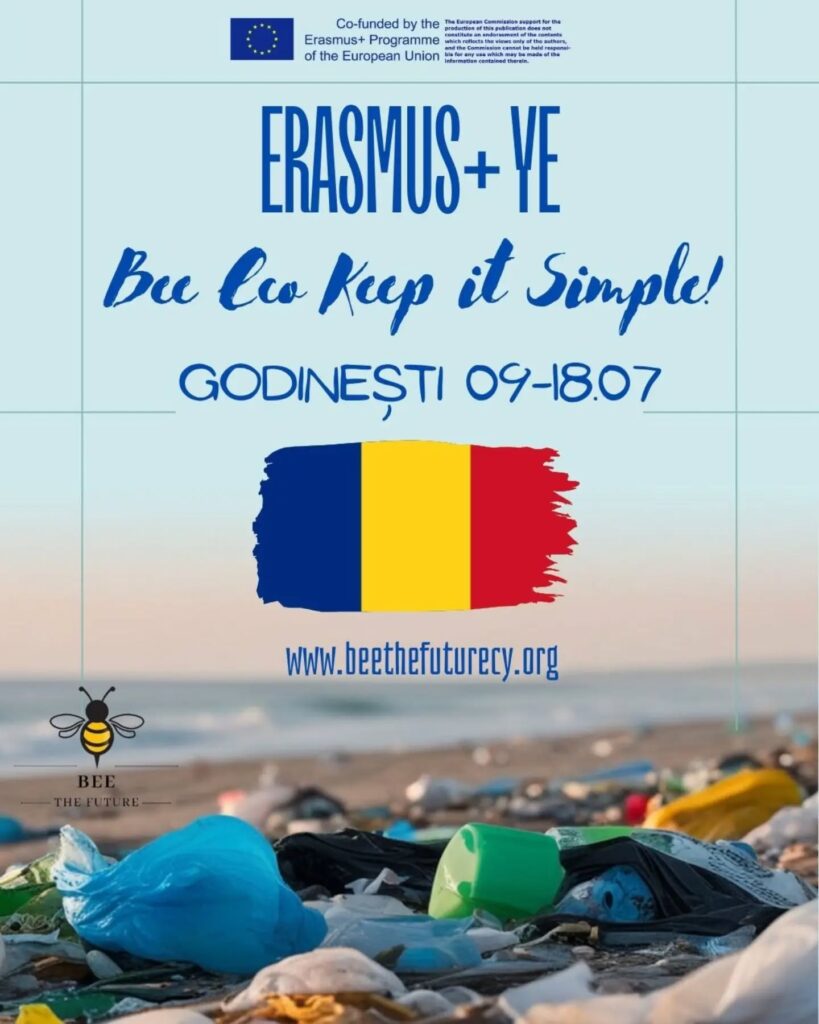
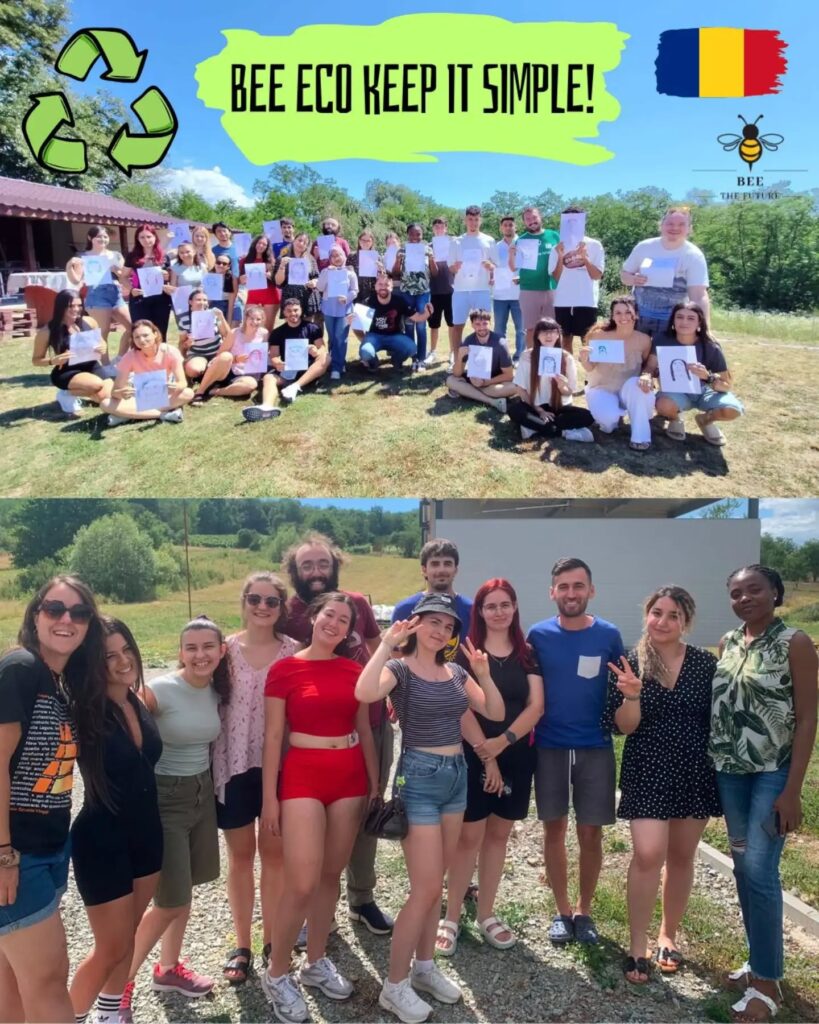
From 9–18 July, five young participants and one group leader representing Bee the Future CY (Cyprus) took part in the international Erasmus+ Youth Exchange “Bee Eco, Keep it Simple!”, held in Godinești, Romania. 🇨🇾🇷🇴
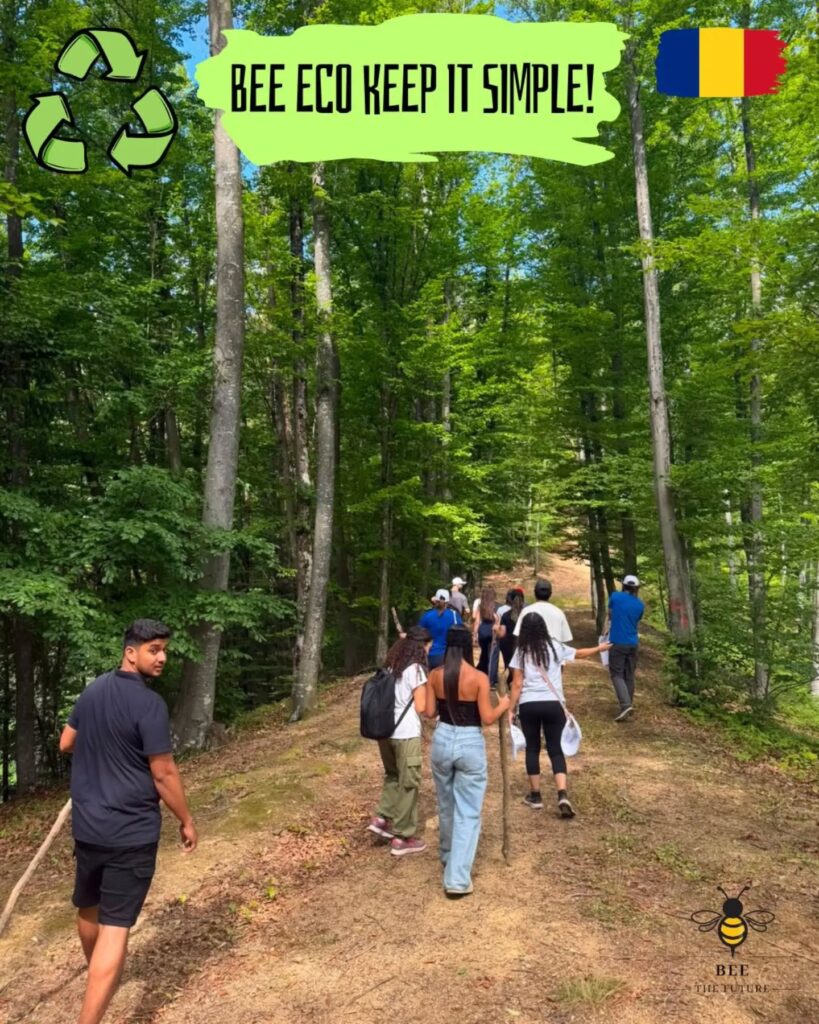
The project brought together young people from different countries to explore environmental challenges, exchange ideas, discover practical approaches to sustainability and understand how small everyday actions can contribute to a greener and more responsible future.
For our team, this youth exchange was an opportunity to learn beyond the classroom, develop new skills, build international connections and become more active in promoting environmental responsibility within our local communities.
🌱 Learning to Make Sustainability Simple and Accessible
Environmental protection is often discussed as a global responsibility, but meaningful change also begins with the decisions we make in our daily lives. From reducing unnecessary waste and reusing materials to making more conscious choices about consumption and natural resources, every action can contribute to a more sustainable lifestyle.
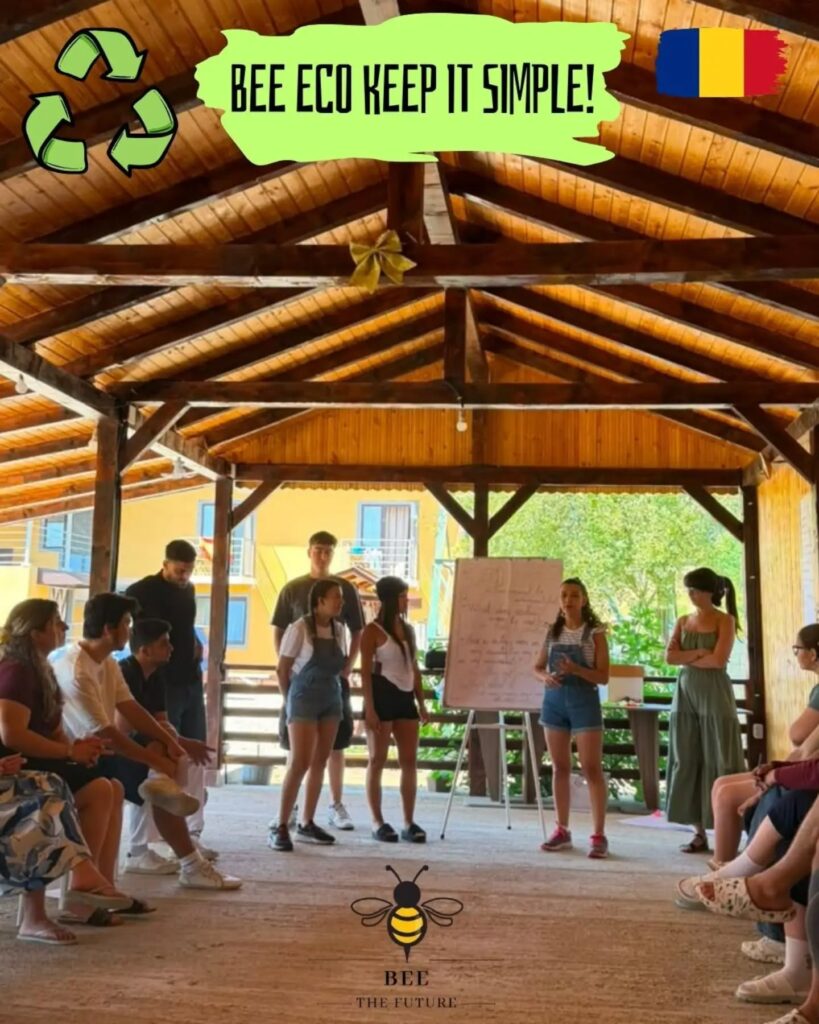
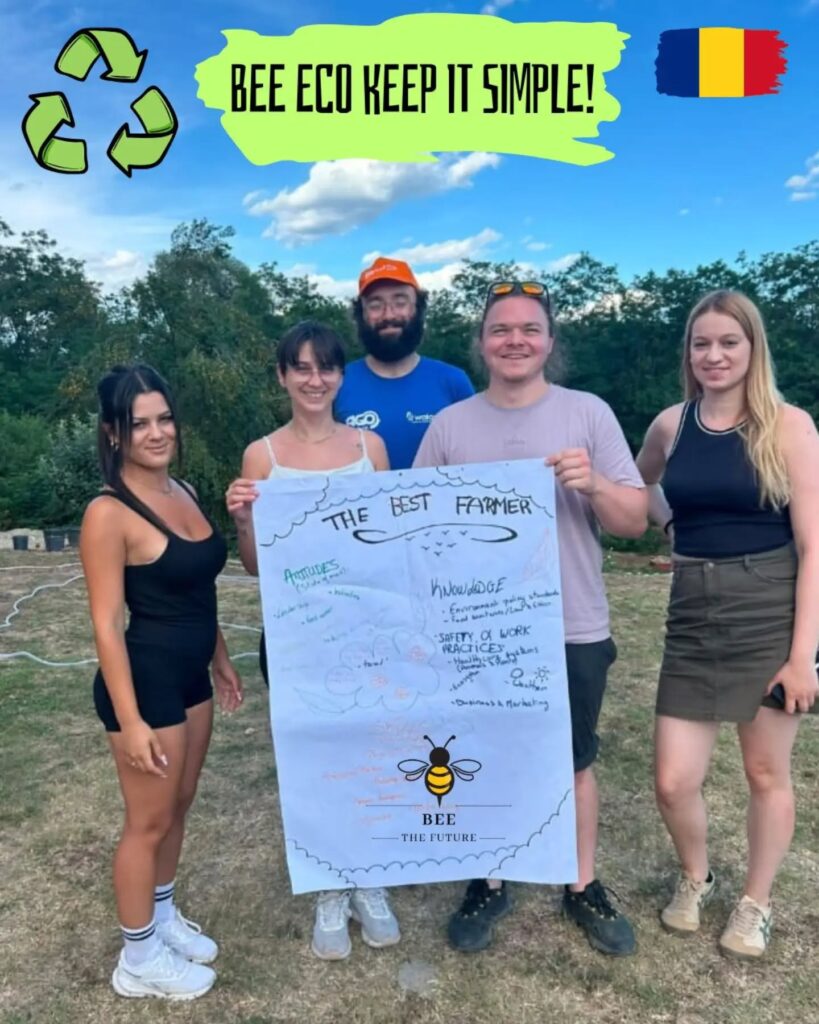
Throughout the exchange, participants had the opportunity to explore environmental topics through non-formal education, an approach that encourages learning through participation, practical activities, teamwork, reflection and experience sharing.
Instead of focusing only on theoretical knowledge, the project encouraged young people to think critically about their own habits, identify areas where they could make improvements and discover realistic solutions that could be introduced into their everyday routines.
The central idea of “Bee Eco, Keep it Simple!” reflects an important message: sustainability does not always require complicated solutions. Accessible information, creative thinking and small, consistent actions can help young people become more environmentally conscious and inspire others to follow their example.
🤝 Connecting Young People Through International Cooperation
One of the most valuable aspects of Erasmus+ Youth Exchanges is the opportunity to meet people with different backgrounds, experiences, cultures and perspectives.
By participating in this international learning experience, our five young participants and their group leader joined a wider European community of young people interested in environmental protection and sustainable development.
International cooperation creates space for participants to share experiences from their own countries, compare environmental challenges and learn how different communities approach sustainability. These exchanges also encourage mutual understanding, respect, communication and a stronger sense of European belonging.
Working in multicultural groups helps young people develop important personal and social competences, including teamwork, adaptability, intercultural communication, active listening and problem-solving.
Beyond the environmental theme, the experience also demonstrated how young people can cooperate across borders, learn from one another and work towards shared goals.
♻️ Developing Skills Through Non-Formal Education
The Erasmus+ Youth Exchange provided a valuable learning environment in which participants could strengthen competences that are useful both in their personal lives and in their future education, employment and community engagement.
Through interactive learning and international cooperation, the project supported the development of:
- Environmental awareness: understanding the importance of sustainable habits and responsible use of resources.
- Critical thinking: recognising everyday environmental challenges and exploring possible solutions.
- Teamwork and communication: collaborating with young people from different countries and contributing to shared activities.
- Creativity and problem-solving: thinking of practical ways to make sustainable choices more accessible.
- Intercultural understanding: appreciating different perspectives and learning through international cooperation.
- Active citizenship: recognising that young people can contribute to positive change in their communities.
These competences are an important part of youth development. They empower participants to become more confident, informed and engaged citizens who can take initiative and contribute to their communities.
🐝 From International Learning to Local Action
For Bee the Future CY, participation in Erasmus+ projects is not only about international mobility. It is also about bringing knowledge, inspiration and practical ideas back to Cyprus.
The experience gained through “Bee Eco, Keep it Simple!” can serve as a starting point for further discussions, awareness-raising activities and environmental initiatives within our local community.
Our participants can share their experiences with peers, friends, colleagues and other young people, encouraging them to reflect on their own habits and consider simple ways to live more sustainably.
Disseminating the results of Erasmus+ activities is an essential part of this process. By sharing the project experience through our website and social media channels, we aim to make the learning outcomes more visible and encourage other young people to explore opportunities for international learning and environmental engagement.
We believe that the impact of a youth exchange continues after the mobility itself. The knowledge gained, relationships established and ideas exchanged can inspire further activities and create opportunities for continued cooperation between young people and organisations.
🇪🇺 The Value of Erasmus+ for Young People
The Erasmus+ programme supports learning mobility, intercultural dialogue, active citizenship and the personal development of young people across Europe and beyond.
Youth Exchanges offer participants the opportunity to learn in an international environment, develop new competences and engage with topics that are relevant to their lives and communities.
For young people, these experiences can strengthen confidence, encourage independence and broaden their understanding of the world. They also demonstrate that learning can happen in many different settings, including through collaboration, cultural exchange, creative activities and shared experiences.
Through its participation in Erasmus+, Bee the Future CY continues to support opportunities that connect young people, encourage active participation and promote positive change through non-formal education.
🌍 Bee the Future CY: Learning Today, Acting for Tomorrow
At Bee the Future CY, we believe that young people have an important role to play in building more inclusive, sustainable and active communities.
Our participation in “Bee Eco, Keep it Simple!” reflects our commitment to supporting young people in developing the knowledge, skills and motivation needed to respond to contemporary environmental and social challenges.
We are proud of our five young participants and their group leader for representing our organisation in this international Erasmus+ experience and becoming part of a wider exchange of ideas, cultures and learning opportunities.
We would also like to thank the project organisers and all participating organisations and young people for contributing to an international learning environment built on cooperation, mutual understanding and shared responsibility.
Small actions can create meaningful change when people work together. By keeping sustainability practical, sharing knowledge and encouraging young people to take initiative, we can help build communities that are more aware, responsible and prepared for the future.
🐝 Bee Eco, Keep it Simple! — Think green, act responsibly and inspire change, one small step at a time!
Follow Bee the Future CY to discover more about our Erasmus+ activities, international opportunities, youth initiatives and work towards a more sustainable future.
This article is part of Bee the Future CY’s dissemination activities, highlighting our participation in Erasmus+ and sharing the value of international youth cooperation and non-formal learning.