EXIT BURNOUT & RECHARGE: Promoting Well-being, Resilience and Innovative Approaches in Youth Work
Erasmus+ Training Course | Limbaži District & Riga, Latvia 🇱🇻
📅 Dates: 15–21 August 2026
📍 Location: Limbaži District and Riga, Latvia
🇨🇾 Participating country: Cyprus
👥 Participants: 3 youth workers representing our organisation
🎯 Main topics: Burnout prevention, mental well-being, resilience, gamification, adventure therapy and experiential learning
Introduction: Strengthening Well-being and Resilience in Youth Work
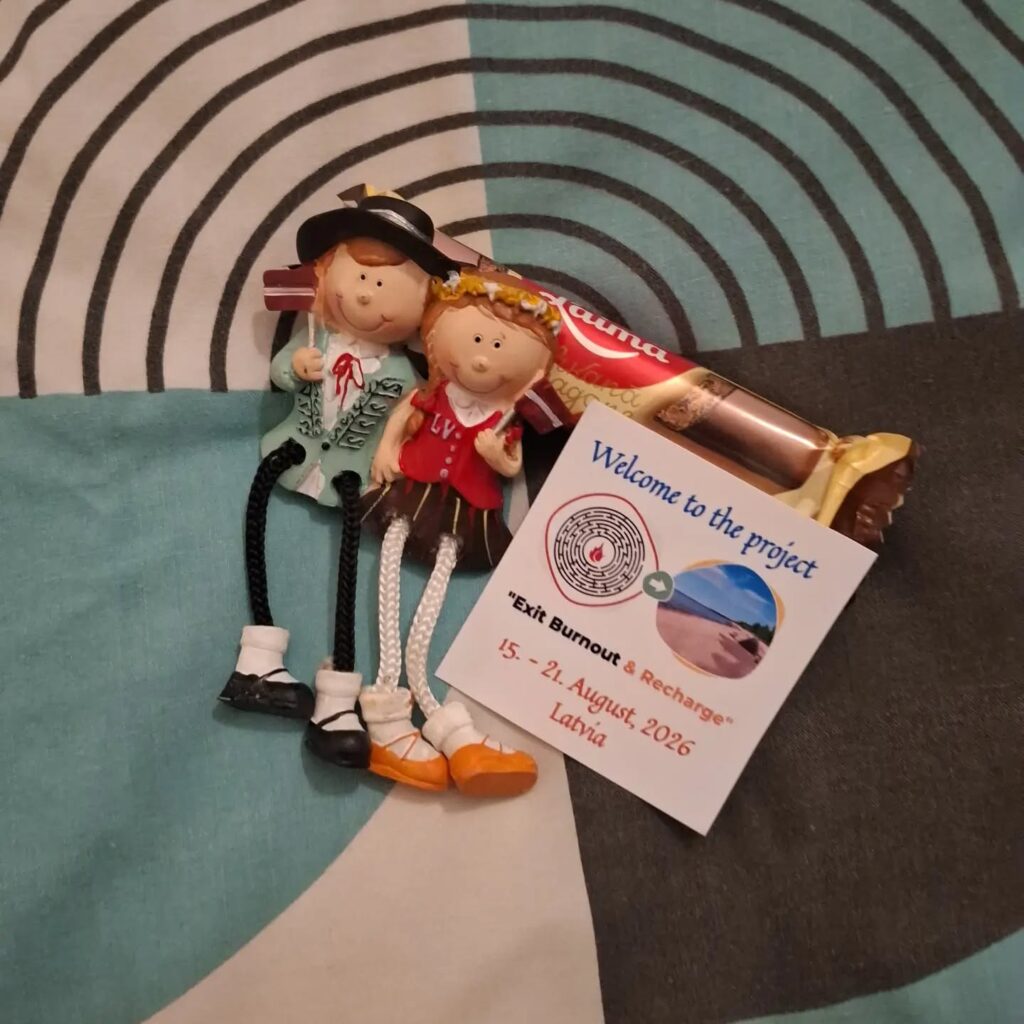
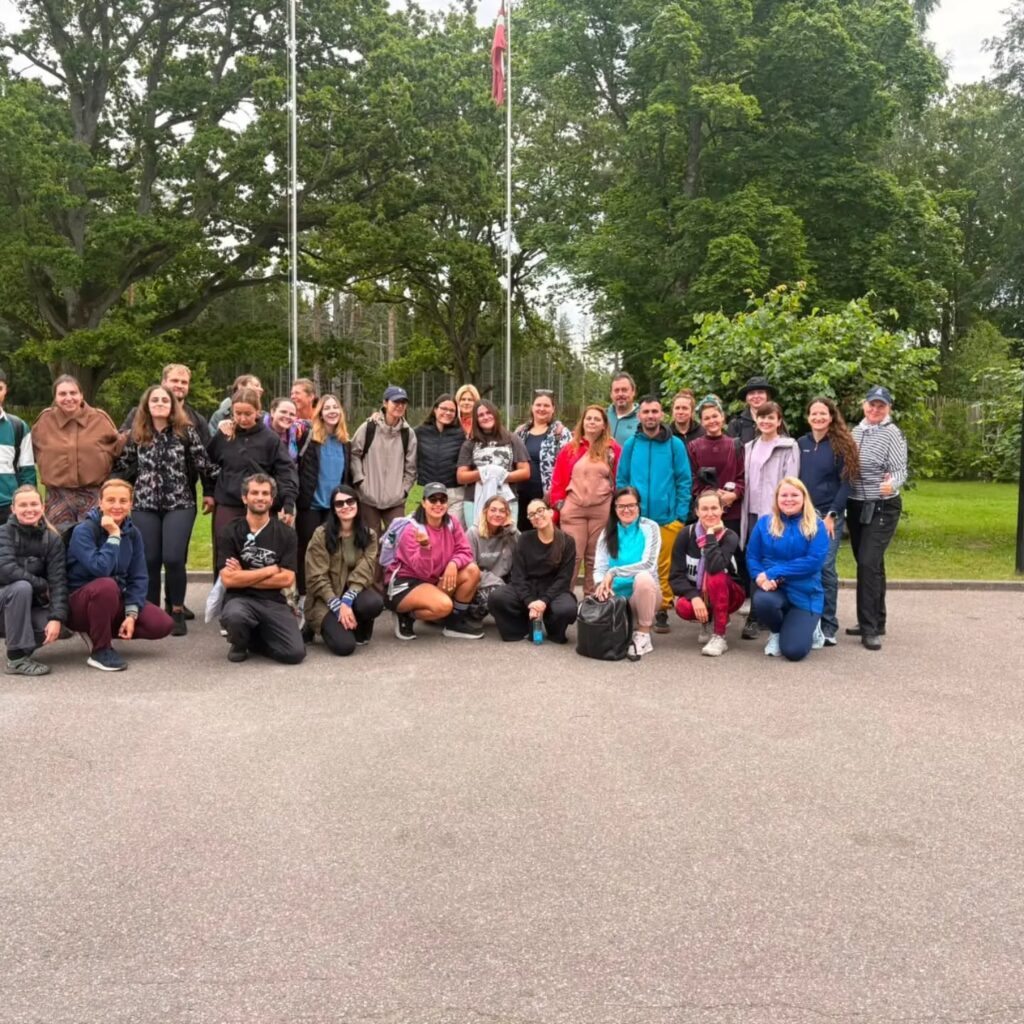
From 15 to 21 August 2026, three youth workers from Cyprus participated in the international Erasmus+ training course “EXIT BURNOUT & RECHARGE,” held in Limbaži District and Riga, Latvia. The training brought together youth workers and professionals from different backgrounds to explore the importance of well-being, resilience and personal development, while discovering innovative approaches that can be applied in youth work and non-formal education.
The activity focused on an increasingly relevant challenge within the youth sector: how to support the well-being of youth workers while equipping them with practical methods to create healthier, more inclusive and supportive learning environments for young people.
Youth work requires commitment, creativity, emotional engagement and continuous interaction with diverse groups. Although these responsibilities offer meaningful opportunities to contribute to society, they also make it important for youth workers to understand the value of self-care, recognise the signs of excessive stress and develop sustainable working practices.
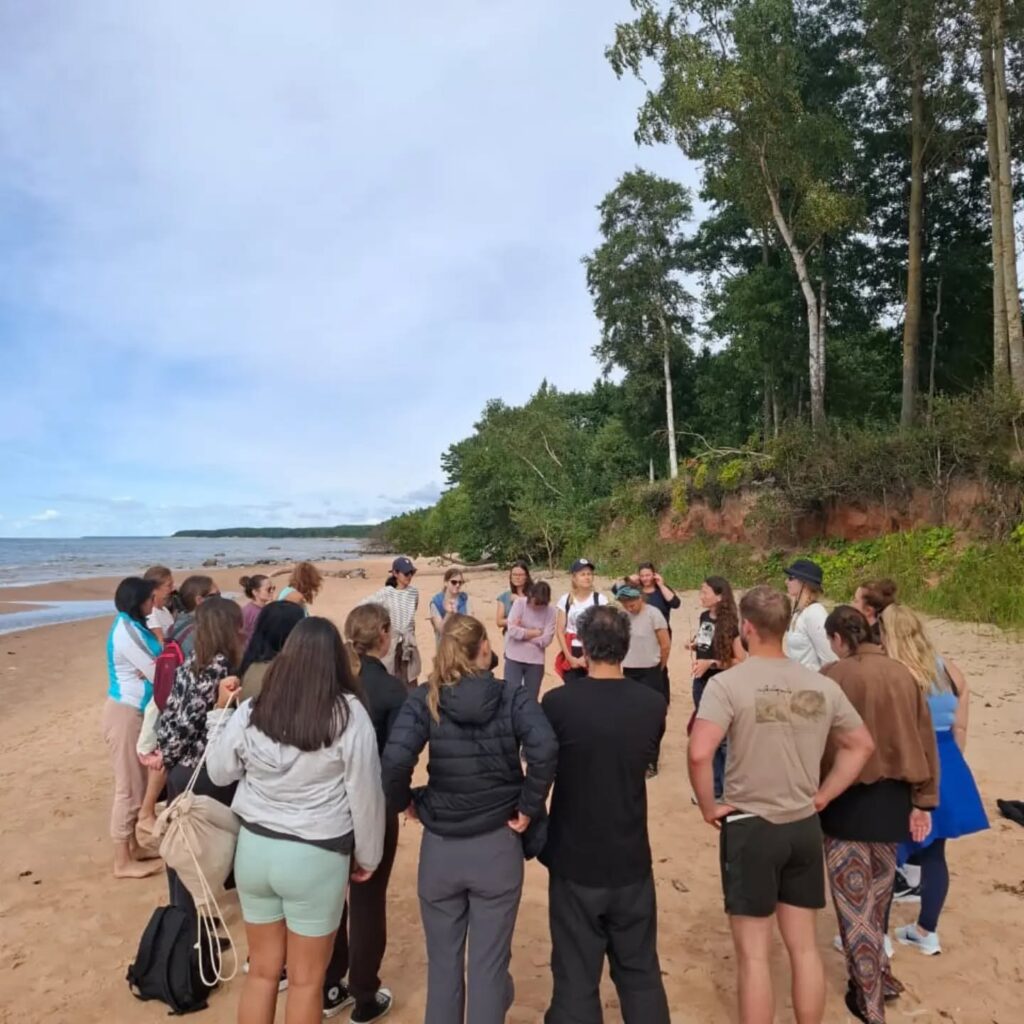
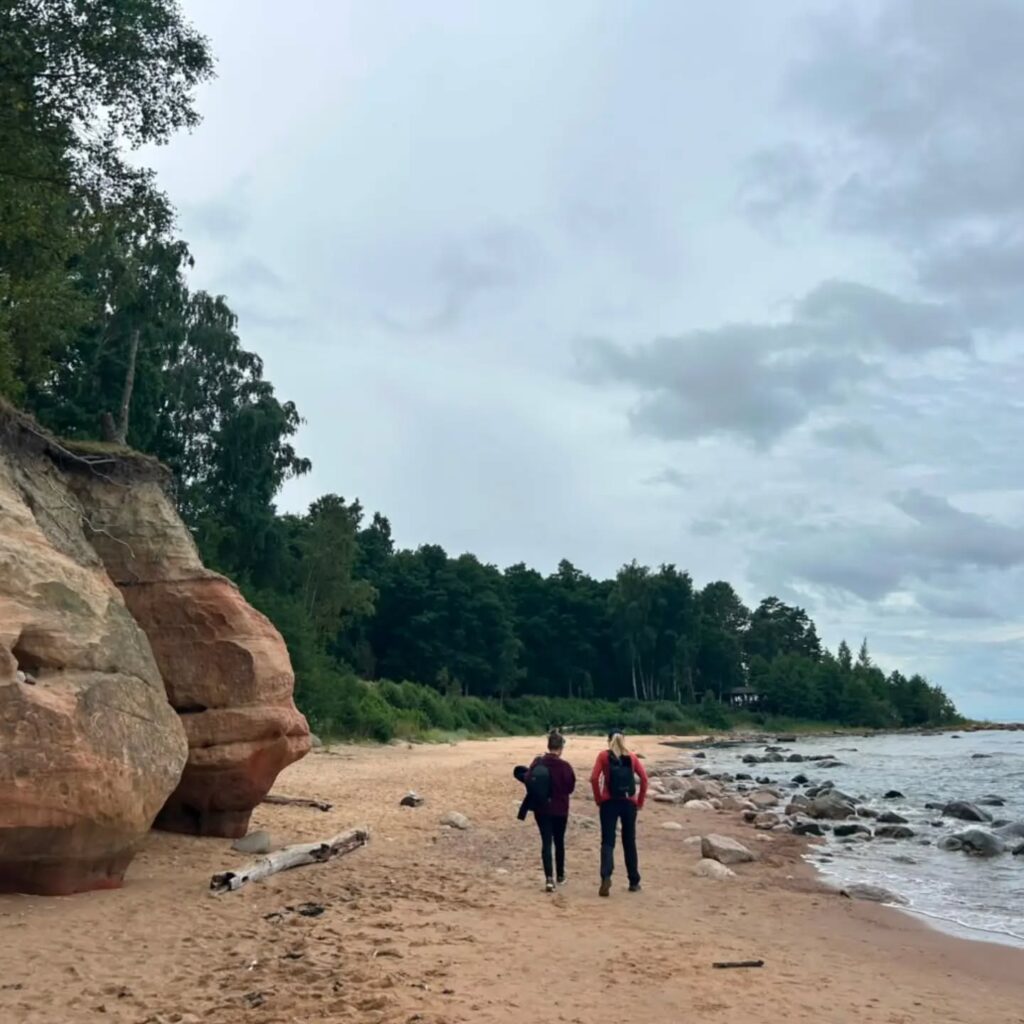
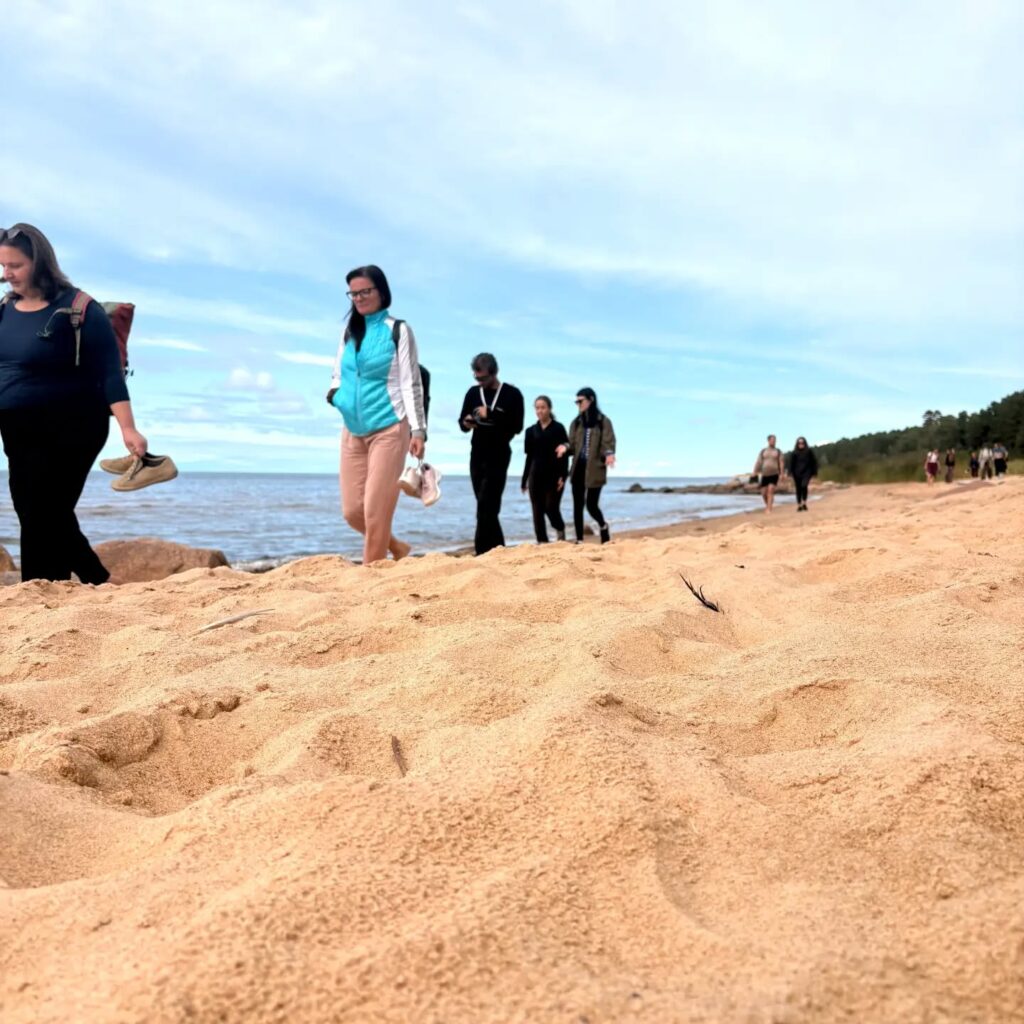
Through experiential learning, group activities, reflection, outdoor experiences and international exchange, participants explored different approaches to preventing burnout, strengthening resilience and integrating well-being into their professional practice.
For our organisation, the participation of three youth workers from Cyprus represented an opportunity to develop new competences, exchange good practices with international colleagues and identify practical methods that can be shared with the local youth community.
Understanding Burnout Prevention and Personal Well-being
One of the central themes of the training course was the importance of recognising the relationship between personal well-being, professional responsibilities and sustainable participation in youth work.
Burnout is associated with prolonged work-related stress and can affect an individual’s energy, motivation and ability to manage professional responsibilities. For people working closely with young people and communities, understanding the importance of prevention is essential for maintaining healthy working practices.
The training encouraged participants to reflect on their everyday routines, professional expectations, personal boundaries and the factors that contribute to a balanced approach to work and life.
Prevention involves more than occasional breaks. It can include developing realistic expectations, maintaining supportive professional relationships, recognising personal limits, creating opportunities for recovery and seeking appropriate support when necessary.
Participants explored the importance of building awareness around their own needs and understanding that well-being should be considered an ongoing priority rather than something addressed only when difficulties arise.
These insights are particularly valuable for youth organisations, where staff members and volunteers often combine multiple responsibilities, manage different activities and dedicate considerable time and energy to supporting others.
By strengthening awareness of burnout prevention, youth workers can contribute to more sustainable working environments and promote a culture in which personal well-being is recognised as an important part of professional development.
Building Resilience Through Reflection and Experiential Learning
Resilience was another important topic explored throughout the training course.
In youth work, resilience can be understood as the ability to adapt to changing circumstances, learn from experience and respond constructively to challenges. It does not mean avoiding difficulties or managing every situation independently. Instead, it involves developing useful strategies, recognising available resources and knowing when to seek support.
The international learning environment offered participants opportunities to reflect on their experiences, exchange perspectives and consider how resilience can be supported through individual and collective practices.
Reflection is an important element of this process because it allows youth workers to examine their experiences, identify what they have learned and consider alternative ways of approaching future challenges.
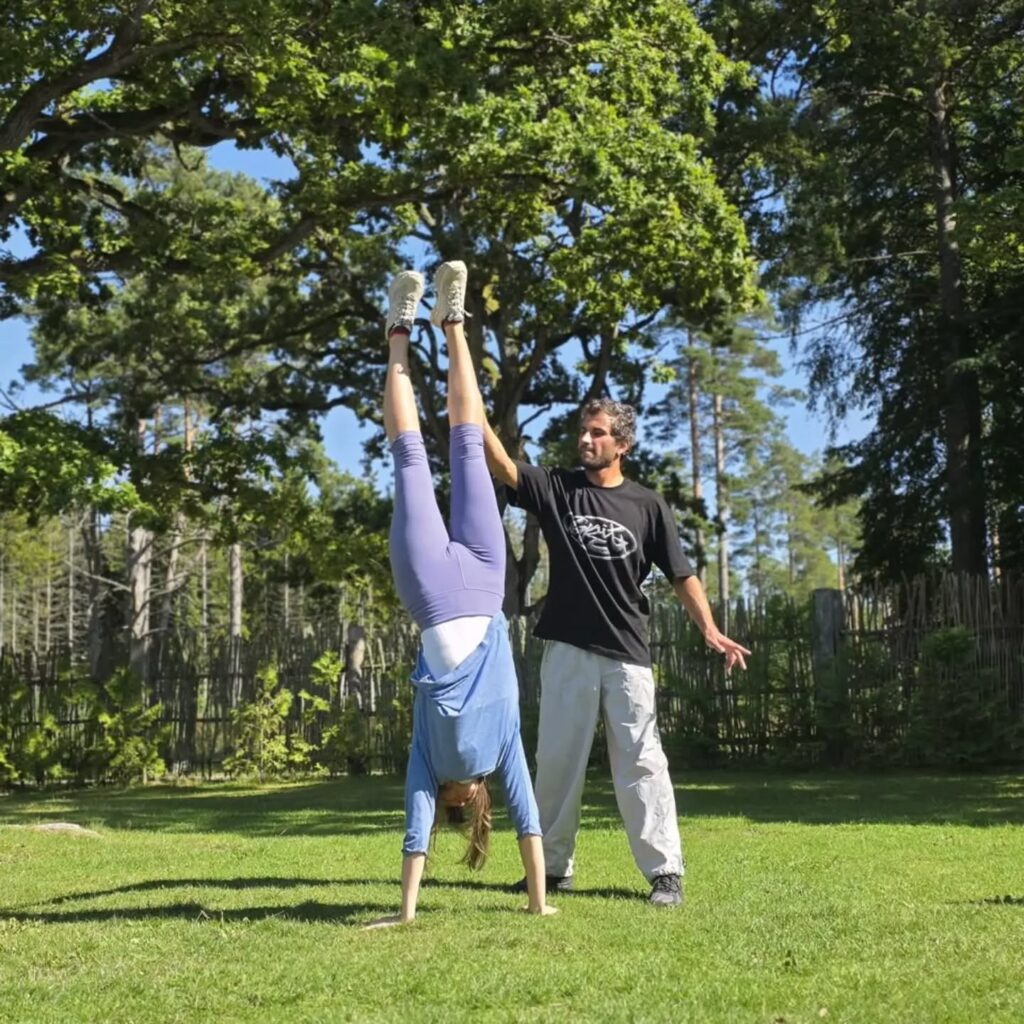
Experiential learning complements reflection by giving participants the opportunity to learn through practical activities, cooperation and direct engagement. Instead of relying exclusively on theoretical information, participants can explore concepts, test approaches and discuss their experiences with others.
These methods can also be transferred into activities with young people. Group challenges, guided discussions, cooperative tasks and reflection exercises can help participants explore problem-solving, communication, decision-making and teamwork in an engaging educational environment.
The training highlighted the importance of creating opportunities for young people to develop these competences while recognising their individual needs and different experiences.
Gamification: Making Youth Work More Engaging
An important focus of the training course was the use of gamification in youth work.
Gamification involves incorporating selected elements of games into non-game learning environments to encourage participation, motivation, cooperation and engagement. When designed appropriately, it can make educational activities more interactive and help participants explore complex subjects through practical experiences.
In non-formal education, gamification can include challenges, missions, collaborative problem-solving tasks, role-based activities, storytelling and structured reflection.
These approaches can be particularly useful when addressing topics such as well-being, communication, teamwork and resilience. For example, a cooperative challenge can encourage young people to practise communication and shared decision-making, while a scenario-based activity can help them explore how different responses may influence a group situation.
The effectiveness of gamification depends on its educational purpose. Activities should not focus only on competition or winning; they should create meaningful opportunities for participation, learning and reflection.
For youth workers, developing the ability to design engaging activities is an important professional competence. Gamification can support different learning styles, encourage active involvement and provide opportunities for participants who may feel less comfortable with traditional classroom-based methods.
The approaches explored during the training can inspire our organisation to develop more interactive workshops and educational activities for young people in Cyprus.
Adventure Therapy and Outdoor Experiential Learning
The training course also explored adventure therapy and experiential learning as approaches that can inform youth work.
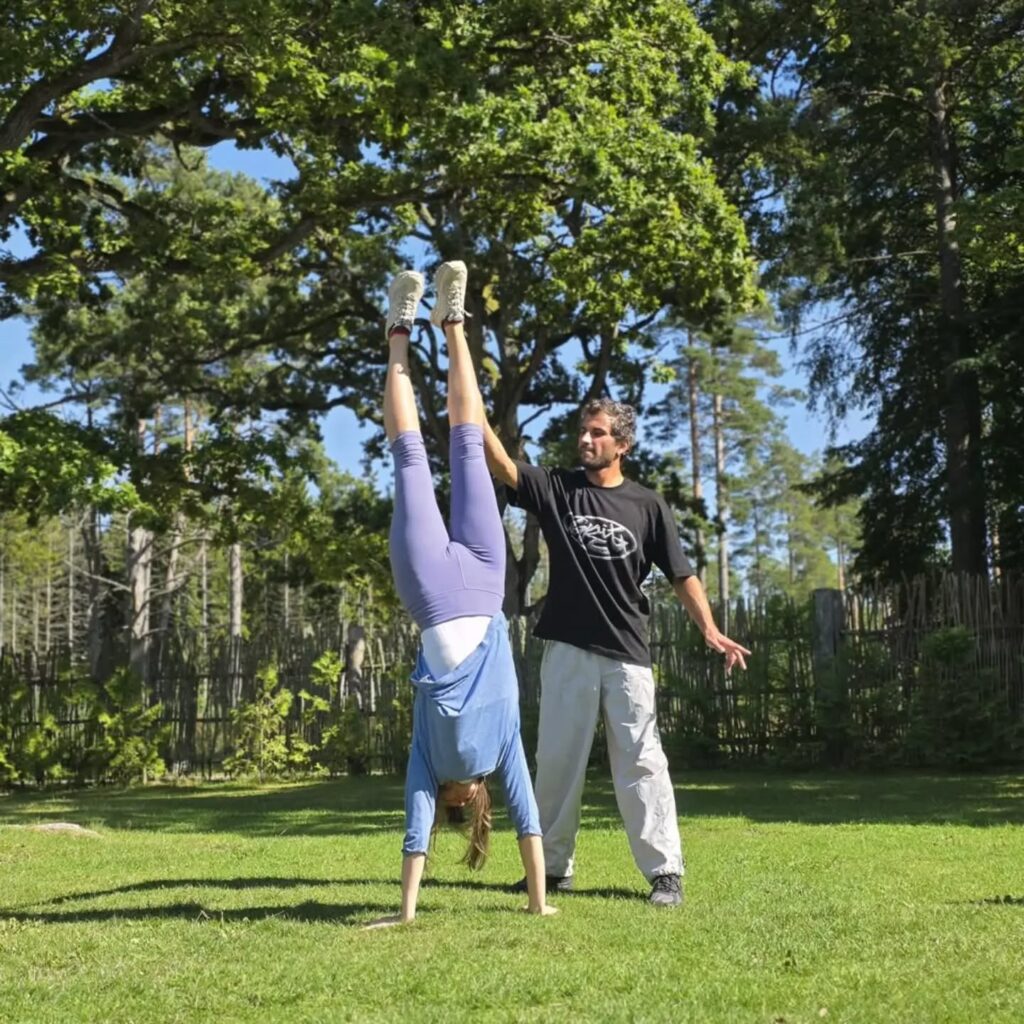
Outdoor and experience-based activities can create opportunities for participants to cooperate, communicate, solve problems and reflect on their responses to unfamiliar situations. When carefully planned and appropriately facilitated, these experiences can support personal development and group learning.
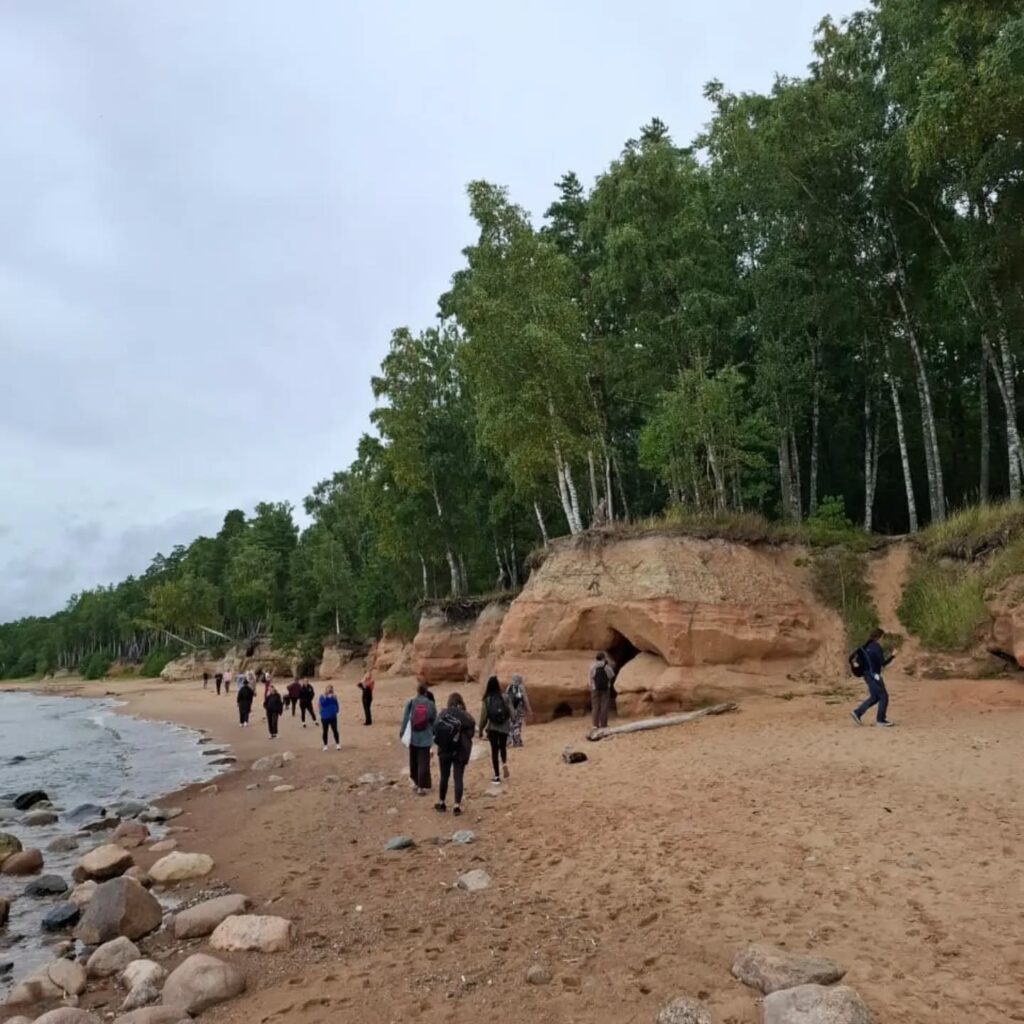
Activities in natural environments can also encourage participants to observe their surroundings, engage with others and explore the relationship between the environment and personal well-being.
Adventure-based learning may involve collaborative challenges, outdoor tasks, group problem-solving and structured reflection. The emphasis is not simply on completing an activity, but on understanding what the experience reveals about communication, cooperation, decision-making and individual strengths.
For example, a team challenge can provide an opportunity to explore how responsibilities are shared, how decisions are made and how group members respond when a task becomes difficult. A guided reflection afterwards can help participants connect these observations with situations they encounter in everyday life.
It is important to distinguish educational outdoor activities from clinical therapy. Adventure-based methods used in youth work should be appropriate to the participants’ needs, carefully facilitated and designed with safety, accessibility and inclusion in mind.
The training offered participants an opportunity to consider how experiential and outdoor learning methods can enrich non-formal education and provide young people with meaningful opportunities for personal and social development.
Well-being as an Essential Part of Youth Work
Youth work is built on relationships, participation, trust and continuous learning. Youth workers often create the conditions in which young people feel encouraged to express themselves, explore their interests and develop their competences.
To maintain the quality of this work, it is important to recognise that the well-being of youth workers and the quality of youth activities are closely connected.
A supportive working environment can encourage creativity, collaboration and professional growth. By contrast, unrealistic expectations and a lack of adequate support can make it more difficult for practitioners to maintain sustainable working practices.
The training encouraged participants to consider how organisations can promote a more balanced approach to professional responsibilities.
This may include creating opportunities for peer support, encouraging open communication, setting realistic objectives, sharing responsibilities and ensuring that youth workers have opportunities for reflection and professional development.
Well-being can also be incorporated into educational activities for young people. Youth organisations can provide opportunities to explore healthy routines, social connections, self-awareness and constructive ways of responding to everyday challenges.
However, youth work should remain within its appropriate role. Educational activities can promote awareness and supportive relationships, but they do not replace professional mental health care when specialised assistance is needed.
By approaching well-being responsibly, youth workers can help create environments in which people feel respected, supported and encouraged to participate.
International Exchange and Sharing Good Practices
The Erasmus+ training course in Latvia provided an opportunity for participants to learn from youth workers with different professional experiences and cultural backgrounds.
International exchange is a valuable element of professional development because it allows practitioners to compare approaches, discover new methods and consider how educational practices can be adapted to different local contexts.
Through discussions and shared learning experiences, participants could explore common challenges within youth work and reflect on different ways of promoting well-being, resilience and active participation.
Cooperation between youth workers also helps strengthen professional networks and creates opportunities for future collaboration.
The exchange of good practices is particularly important for organisations working with young people who have different educational, social and cultural backgrounds. Methods that work well in one context may inspire new approaches elsewhere, provided they are adapted to the needs and circumstances of the intended participants.
For our three representatives from Cyprus, the training was an opportunity to broaden their professional perspectives, build international connections and explore approaches that may contribute to the development of future local activities.
These connections can continue to provide value after the mobility, supporting further knowledge exchange and cooperation within the European youth work community.
Bringing the Learning Experience Back to Cyprus
One of the most important objectives of international mobility is to ensure that the knowledge and experience gained abroad can benefit people beyond those who directly participate.
Following their participation in “EXIT BURNOUT & RECHARGE,” our three youth workers returned with new ideas, practical methods and inspiration to share with colleagues and the local youth community in Cyprus.
The approaches explored during the training can inform future workshops, non-formal learning sessions and community-based activities focused on well-being, resilience and personal development.
Possible follow-up activities include interactive sessions on burnout prevention and self-awareness, cooperative games that encourage teamwork, outdoor learning experiences, guided reflection exercises and workshops exploring healthy working practices for youth workers.
The training can also inspire the development of new activities that combine gamification with experiential learning, allowing young people to explore important topics through participation, creativity and collaboration.
Sharing knowledge within the organisation is equally important. By discussing the methods learned, considering their relevance and adapting them to local needs, participants can contribute to strengthening the quality of future youth activities.
This process creates a multiplier effect: an international learning experience can inform local practice, reach additional participants and encourage further cooperation.
For our organisation, the mobility therefore represents more than an opportunity for professional development. It is an investment in the continued improvement of youth work and in the creation of healthier, more supportive learning environments.
Erasmus+: Learning, Connecting and Growing Together
The Erasmus+ programme offers youth workers opportunities to develop their competences, exchange knowledge and build partnerships with organisations and professionals across Europe.
Training courses such as “EXIT BURNOUT & RECHARGE” demonstrate the importance of investing in the people who support young people through education, participation and community engagement.
International learning allows participants to step outside their usual professional environments, discover alternative approaches and reflect on how their work can respond to changing needs.
It also creates opportunities to strengthen intercultural understanding, develop professional relationships and explore shared priorities across countries.
The focus on burnout prevention, well-being, resilience and innovative learning methods connects professional development with the wider goal of creating sustainable and inclusive youth work.
By applying and sharing the knowledge gained through Erasmus+ mobility, participants can contribute to continuous learning within their organisations and local communities.
The experience in Latvia reinforces a simple but important message: effective youth work depends not only on what we provide to others, but also on how we learn, cooperate and create the conditions for sustainable participation.
Looking Ahead: Turning Knowledge into Action
The conclusion of the training course marked the beginning of a new stage in which the experience gained can be reflected upon, shared and applied in practice.
For our organisation, the participation of three youth workers from Cyprus provides an opportunity to strengthen existing approaches and explore new educational activities that address the needs of young people and youth professionals.
The methods explored in Latvia can inspire future initiatives that combine interactive learning, outdoor experiences, reflection and teamwork. They can also support further discussions about professional well-being, sustainable working practices and the importance of supportive relationships within youth organisations.
By integrating relevant methods into local activities, our participants can help extend the benefits of the mobility and encourage more young people and youth workers to explore practical approaches to well-being and resilience.
The experience also demonstrates the value of continuous professional development. Youth work is constantly evolving, and opportunities to learn from others are essential for maintaining relevant, inclusive and engaging educational practices.
Through Erasmus+, international cooperation and local follow-up activities, learning becomes an ongoing process that can contribute to stronger organisations and more connected communities.
Conclusion: Supporting Youth Workers to Support Young People
From 15 to 21 August 2026, three youth workers from Cyprus participated in the Erasmus+ training course “EXIT BURNOUT & RECHARGE” in Limbaži District and Riga, Latvia.
The international learning experience focused on burnout prevention, personal well-being, resilience, gamification, adventure therapy and experiential learning. It provided an opportunity to exchange good practices, strengthen professional competences and explore innovative methods that can be adapted to youth work.
For our organisation, this participation represents a valuable step towards developing more engaging educational activities and strengthening the support offered to young people and youth workers in Cyprus.
We would like to thank everyone involved in the training course for contributing to an international environment of learning, cooperation and professional exchange.
We look forward to sharing the knowledge gained, exploring new local initiatives and continuing to promote non-formal education, well-being and youth empowerment.
Ultimately, supporting young people begins with creating environments where both participants and youth workers can learn, grow and develop sustainably. By investing in well-being, professional development and international cooperation, we can contribute to a stronger youth sector and healthier communities.
🌱 Learn. Reflect. Recharge. Connect. Grow.
🇪🇺 Erasmus+ — Connecting people, strengthening youth work and turning international learning into local action.
#ErasmusPlus #EXITBURNOUT #BeeTheFutureCY #YouthWork #Wellbeing #Resilience #BurnoutPrevention #NonFormalEducation #Gamification #ExperientialLearning #AdventureLearning #YouthEmpowerment #InternationalCooperation