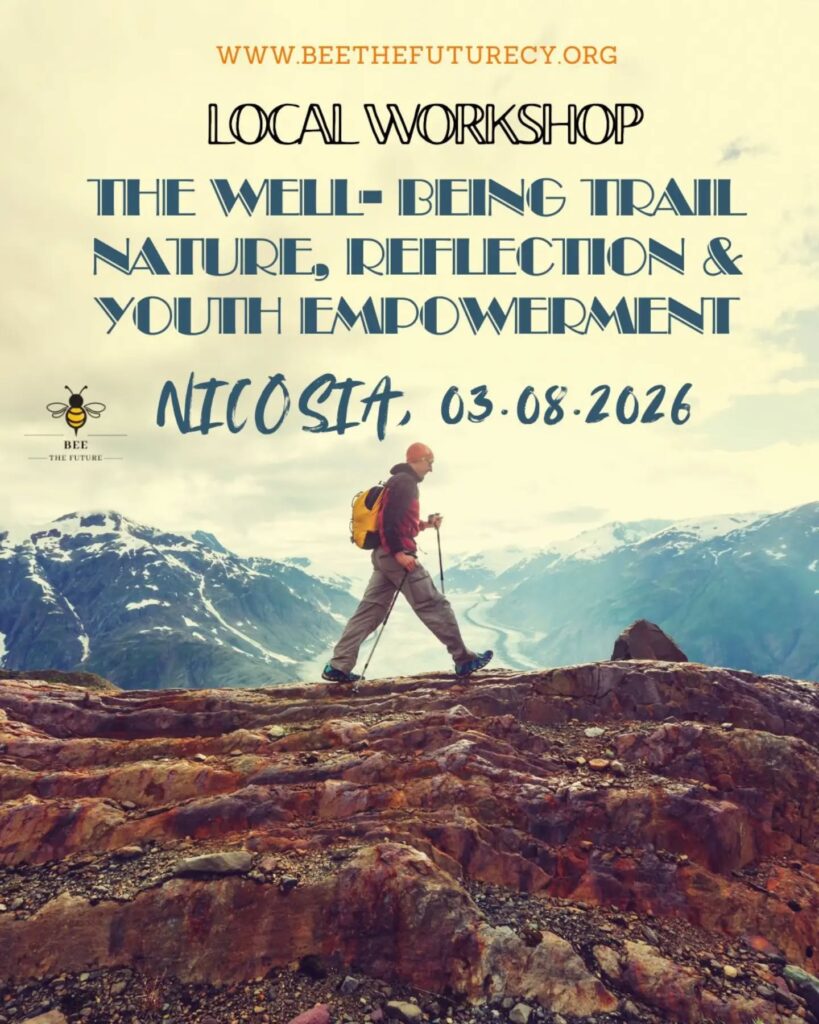
The Well-being Trail: Nature, Reflection & Youth Empowerment 🌳🌿
📍 Location: Nicosia, Cyprus 🇨🇾
📅 Date: 3 August 2026
Discovering Well-being Through Nature, Reflection and Non-Formal Learning
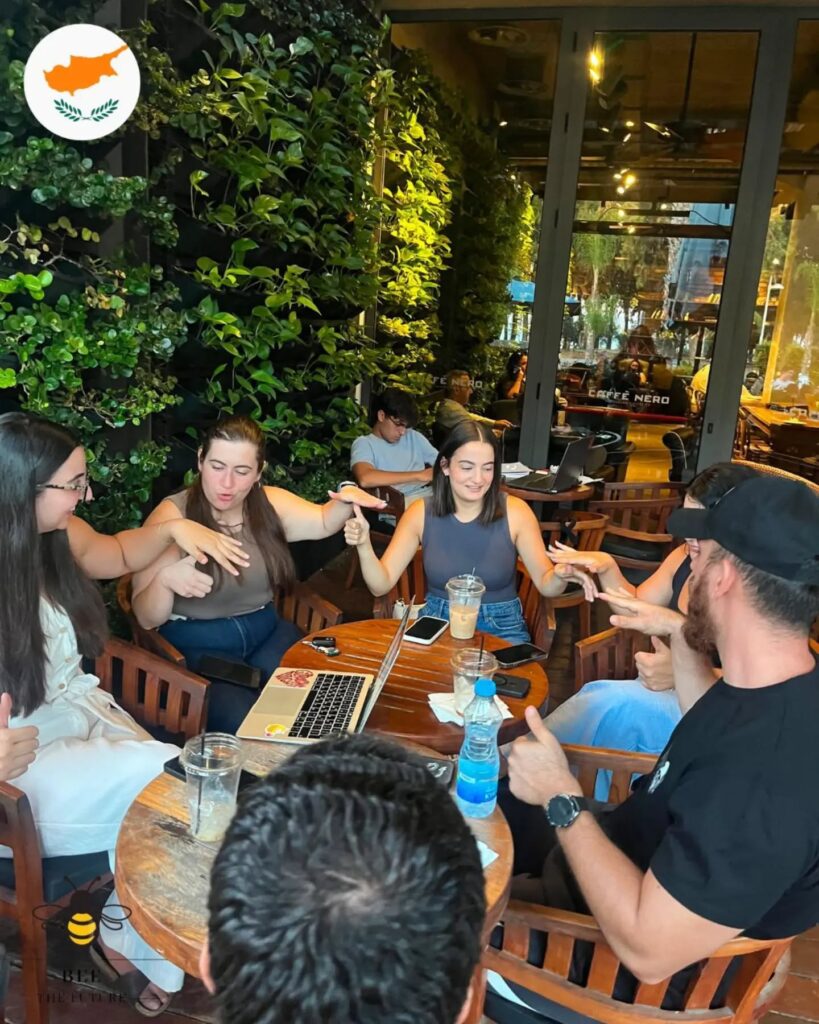
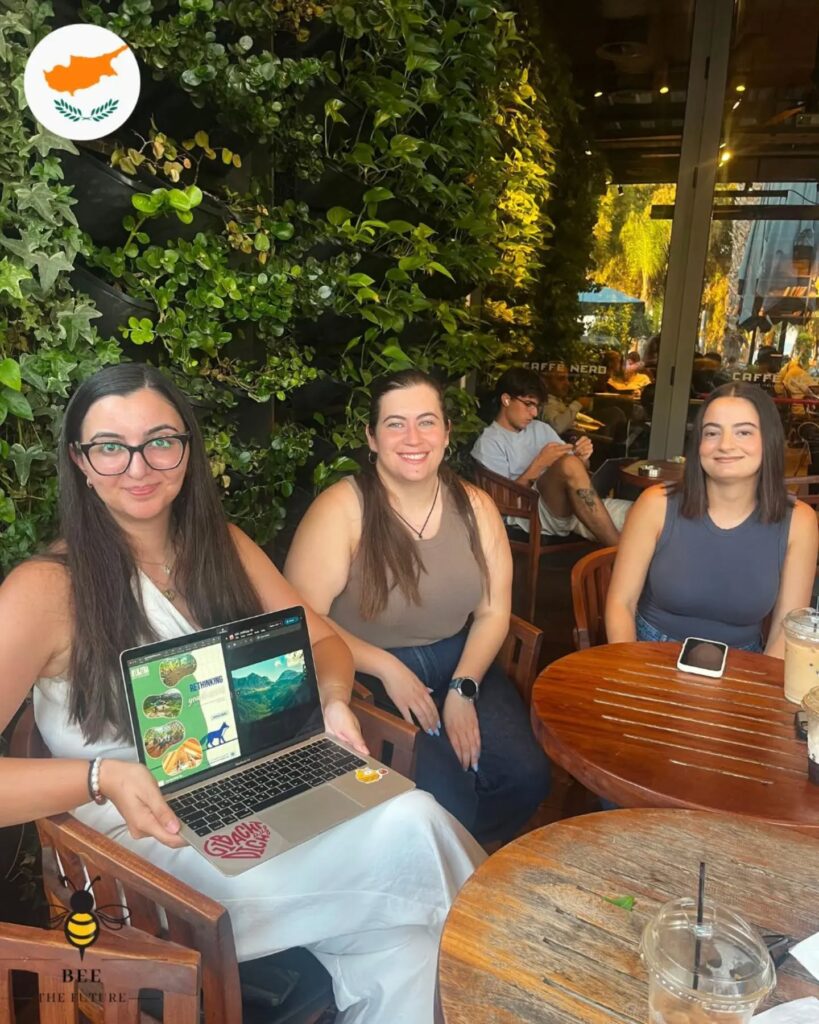
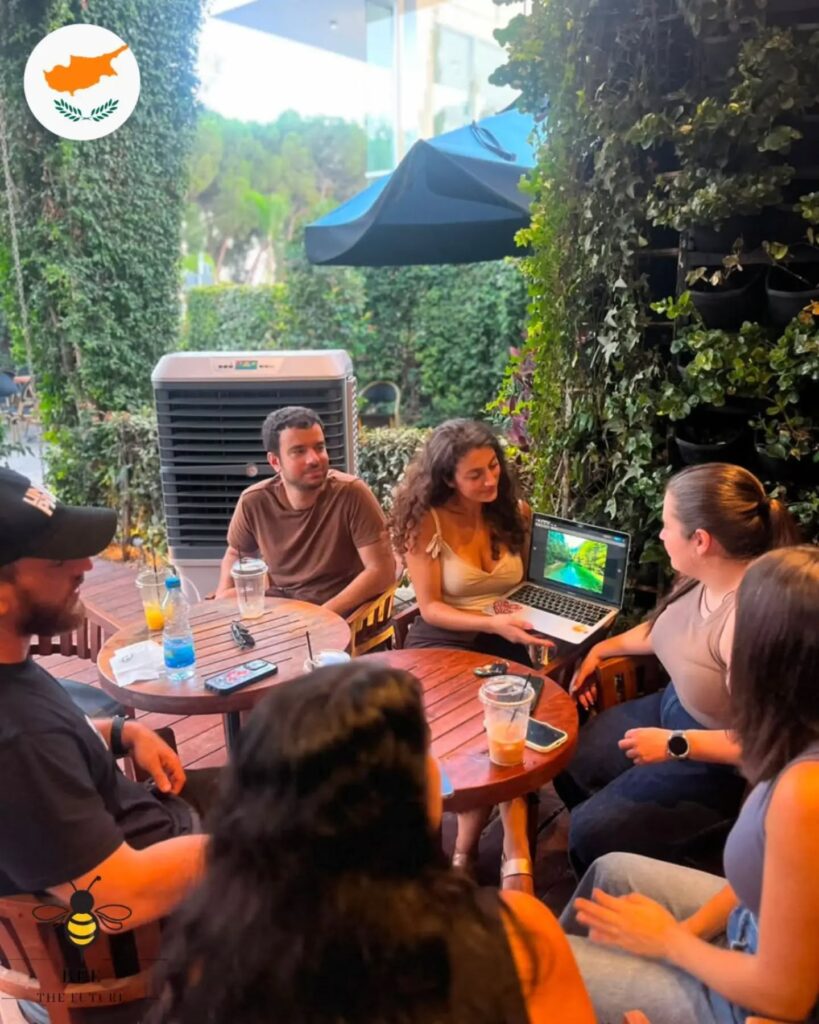
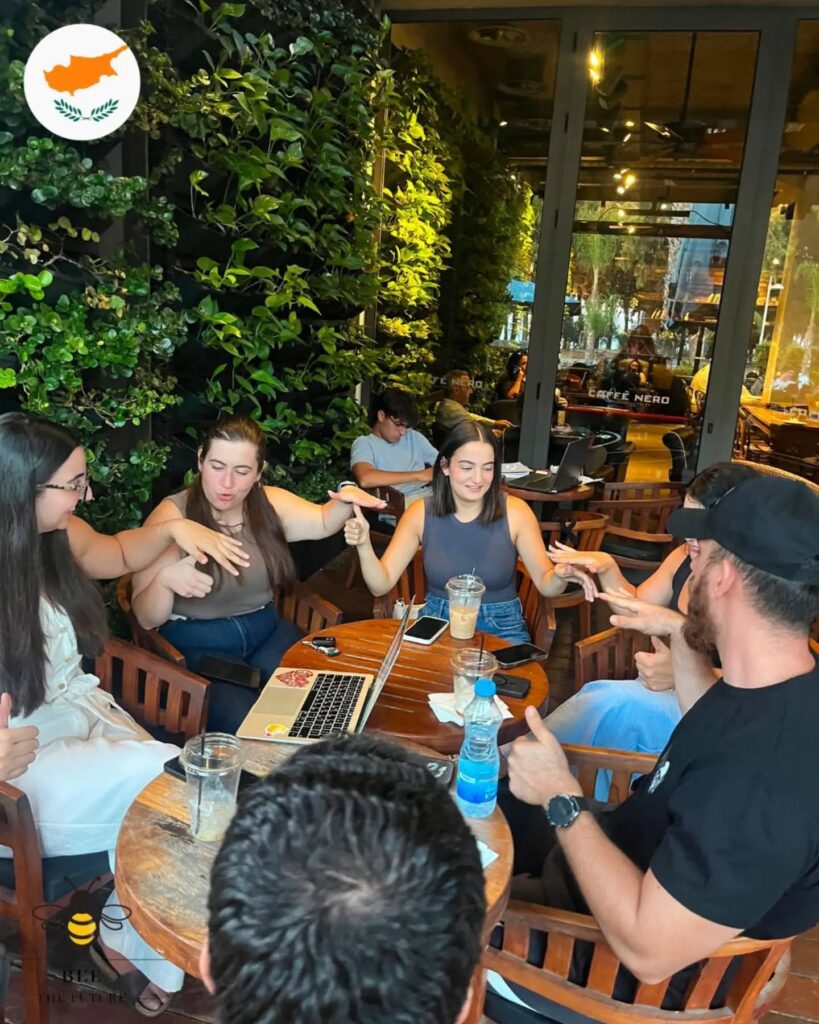
On 3 August 2026, young people came together in Nicosia, Cyprus, for our local workshop, “The Well-being Trail: Nature, Reflection & Youth Empowerment.” The activity created an opportunity to step away from everyday routines, reconnect with nature, reflect on personal well-being, and explore the importance of building stronger relationships with ourselves, others, and the environment.
Through outdoor activities, interactive exercises, meaningful conversations, and moments of mindfulness, participants discovered how nature can provide a valuable setting for personal development, emotional awareness, and social connection. The workshop demonstrated that learning does not need to take place in a traditional classroom. Parks, natural spaces, and outdoor environments can become inspiring learning spaces where young people feel encouraged to share experiences, express themselves, and learn from one another.
🌱 Nature as a Space for Personal Growth
Nature offers a unique opportunity to slow down, observe our surroundings, and become more aware of the present moment. During the workshop, participants explored how spending time outdoors can encourage reflection, curiosity, creativity, and a greater appreciation of the world around us.
The activities invited young people to pay attention to their surroundings, notice the small details of nature, and consider the connections between environmental well-being and their own everyday lives. Through guided reflection and group discussions, they had the opportunity to exchange ideas about what helps them feel connected, motivated, and balanced.
These experiences encouraged participants to recognise that well-being is not only about individual choices but also about the environments and communities in which we live. Access to green spaces, opportunities for social interaction, and the freedom to spend time outdoors can all contribute to creating healthier and more supportive communities.
🍃 Reflection, Mindfulness and Self-Awareness
An important part of the workshop focused on the value of taking time to reflect. In a world characterised by busy schedules, digital distractions, and constant demands, young people can benefit from opportunities to pause, listen, and consider their experiences.
Through mindfulness-inspired exercises and guided conversations, participants explored the importance of recognising their feelings, understanding their personal needs, and appreciating moments of calm. The activities encouraged them to think about their strengths, the challenges they encounter in everyday life, and the positive habits that can support their personal development.
Reflection also helped create space for listening and mutual understanding. By sharing thoughts and perspectives, participants could learn from different experiences and recognise that everyone has their own journey, challenges, and sources of motivation.
Rather than focusing on having all the answers, the workshop encouraged young people to remain curious, ask questions, and discover small, realistic ways to support their own well-being.
🤝 Youth Empowerment Through Non-Formal Education
The Well-being Trail was designed around the principles of non-formal education, placing active participation, experience, cooperation, and reflection at the centre of the learning process.
Instead of relying solely on presentations or theoretical explanations, the workshop used practical outdoor experiences to encourage young people to take an active role in their learning. Participants had opportunities to communicate, exchange ideas, cooperate with others, and connect the activities with their own lives.
This approach supports the development of important personal and social competences, including communication, empathy, teamwork, self-awareness, and responsible decision-making.
Youth empowerment begins when young people are given opportunities to express themselves, participate meaningfully, and recognise their ability to contribute to positive change. By creating an inclusive and supportive learning environment, the workshop encouraged participants to appreciate their own perspectives while respecting those of others.
The experience also highlighted the role of youth work in promoting holistic development. Youth activities can go beyond acquiring practical knowledge and skills; they can also create opportunities for connection, confidence-building, reflection, and active participation in community life.
🌍 Connecting Personal Well-being with Environmental Awareness
Another important message of the activity was the connection between personal well-being and environmental responsibility. Nature is not simply a background for our daily activities; it is an essential part of our lives and a resource that deserves care, respect, and protection.
By spending time outdoors and observing the natural environment, participants were encouraged to reflect on their relationship with the planet and consider how everyday actions can contribute to more sustainable communities.
Simple actions, such as respecting green spaces, reducing waste, appreciating biodiversity, and encouraging others to spend time in nature, can help build a stronger culture of environmental responsibility.
The workshop connected these ideas with the broader goal of empowering young people to become active and responsible members of their communities. Personal development and environmental awareness can reinforce one another, inspiring individuals to care for themselves, support others, and contribute to a healthier environment.
🌼 Small Steps Towards Positive Change
One of the central messages of the Well-being Trail was that positive change often begins with small steps. Taking a moment to reflect, listening carefully to another person, spending time outdoors, or making a conscious choice to protect the environment may seem simple, but these actions can become meaningful parts of everyday life.
The workshop encouraged participants to carry the experience beyond the activity itself by considering how they could apply what they learned in their daily routines, relationships, and communities.
By combining nature, reflection, and non-formal learning, the activity created space to explore practical ways of supporting personal growth while strengthening a sense of belonging and shared responsibility.
The experience also reminded us that creating healthier communities requires opportunities for young people to connect, participate, and learn together. When young people are encouraged to reflect on their experiences and recognise their potential, they can become more confident in taking positive steps for themselves and those around them.
💚 Continuing the Journey
“The Well-being Trail: Nature, Reflection & Youth Empowerment” was a valuable opportunity to explore the role of outdoor learning in youth work and to celebrate the positive connections that can emerge when young people come together in a supportive environment.
Through this local workshop in Nicosia, we highlighted the importance of nature as a space for reflection, the value of non-formal education in youth empowerment, and the need to promote well-being and environmental awareness as connected priorities.
We would like to thank everyone who participated and contributed to this inspiring experience. Every conversation, shared reflection, and moment spent in nature helped reinforce the message that learning, growth, and positive change can begin with something as simple as taking the next step.
🌿 Let us continue creating greener, healthier, and more inclusive communities where young people feel empowered to grow, connect, and make a difference.
🌱 Slow down. Reflect. Connect with nature. Empower yourself and others. Every step matters! 🌍