Introduction: Investing in Well-being, Resilience and Personal Growth
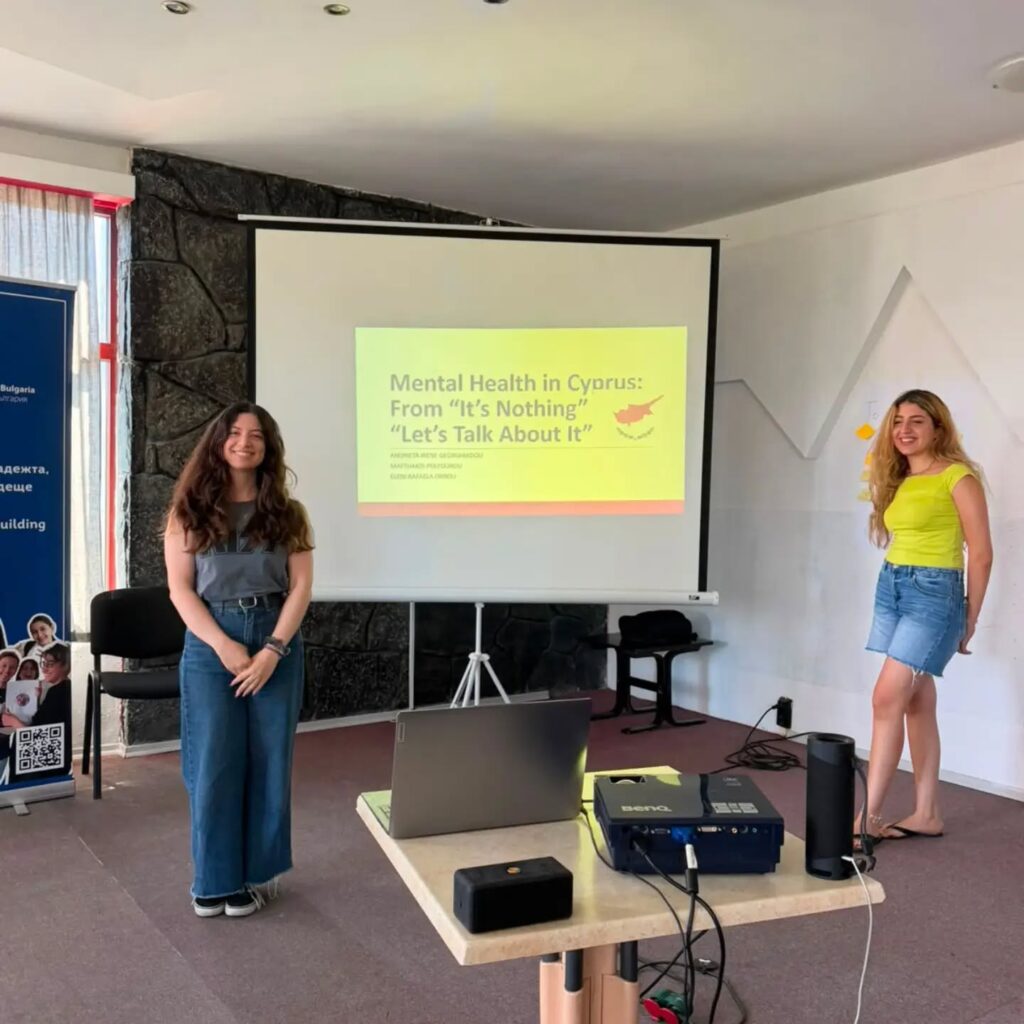
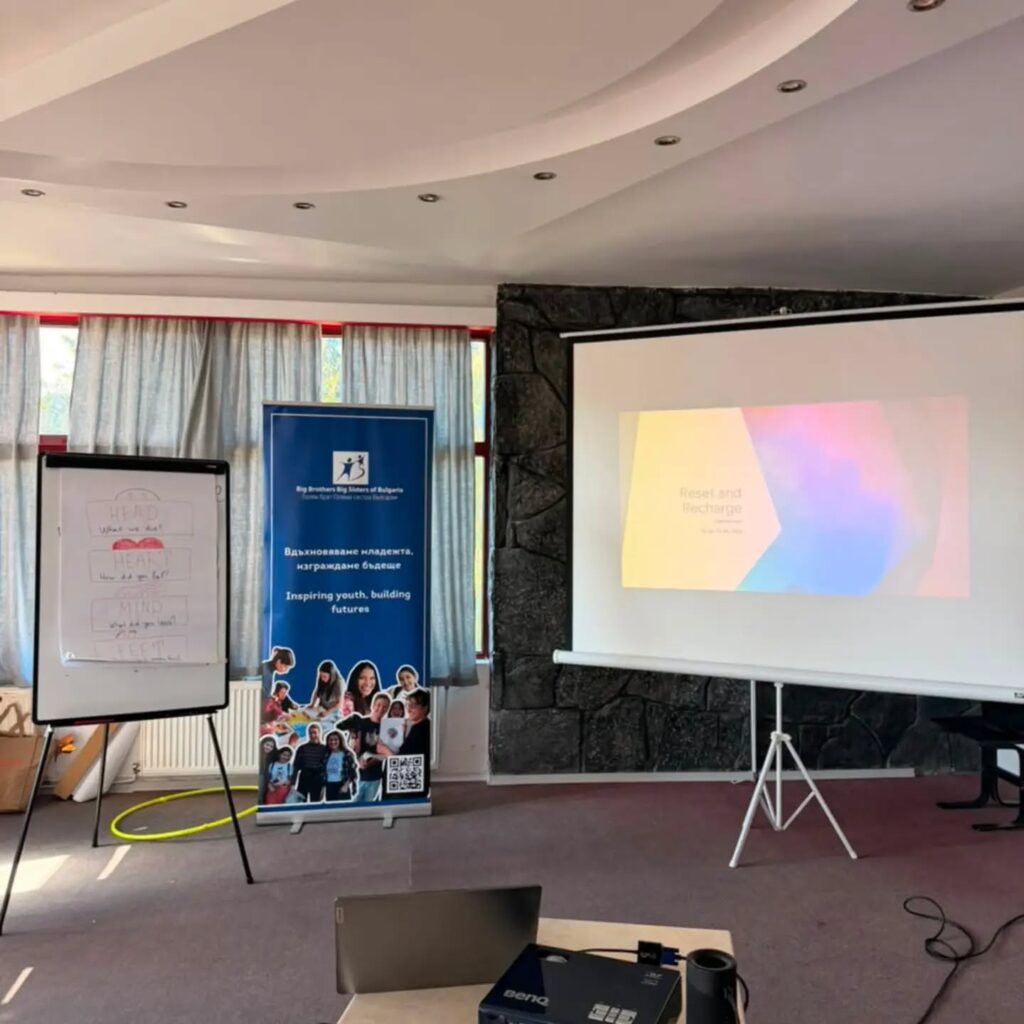
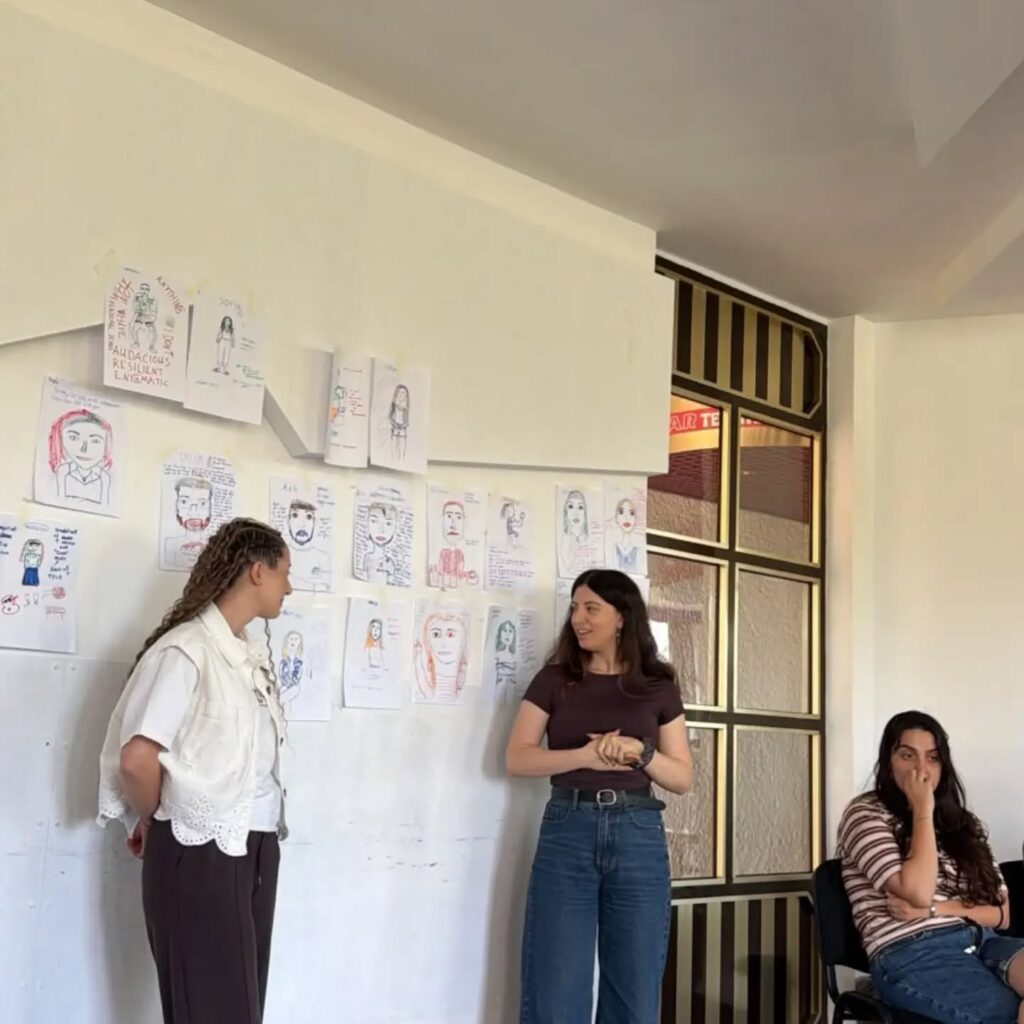
Three participants representing the Bee the Future CY team successfully took part in the Erasmus+ training course “Reset & Recharge: The Science of Restoration,” held in Pamporovo, Bulgaria. This international learning experience provided an opportunity to explore the importance of well-being, personal restoration and resilience while discovering practical approaches that can be integrated into youth work and non-formal education.
The training course brought attention to an increasingly important topic in youth work: the need to create healthier learning environments where young people and youth workers can recognise their needs, manage everyday challenges and develop sustainable approaches to personal well-being.
For youth workers, educators and community practitioners, well-being is closely connected to the quality of their work. Supporting others requires not only professional knowledge and practical competences, but also self-awareness, reflection and the ability to recognise when it is necessary to pause, recharge and restore personal resources.
Through international exchange, practical learning and creative educational approaches, our participants had the opportunity to strengthen their understanding of these topics and explore how well-being can become a more visible part of youth activities.
For Bee the Future CY, participation in this Erasmus+ mobility represents another step towards strengthening the organisation’s capacity to promote personal development, inclusion, resilience and healthier communities through non-formal education.
Understanding the Science of Restoration
The central theme of “Reset & Recharge” was the importance of restoration as part of everyday life and personal development.
In a world characterised by busy schedules, digital distractions, educational demands and professional responsibilities, people can easily overlook the importance of taking time to recover their energy, reflect on their experiences and maintain a healthy balance between different areas of life.
Restoration is not simply about taking a break. It also involves recognising personal needs, understanding individual responses to challenges and developing positive habits that support long-term well-being.
The training encouraged participants to consider how small, practical changes can help create more balanced routines and more supportive environments. These may include making time for reflection, engaging in creative activities, connecting with nature, participating in meaningful social interactions and establishing healthy boundaries between responsibilities and personal time.
An important lesson is that well-being does not look the same for everyone. Different people may benefit from different approaches, and effective support begins with listening, self-awareness and respect for individual circumstances.
For youth workers, understanding these principles is particularly valuable when designing activities that respond to the diverse needs of young people.
🧠 Developing New Tools for Well-being and Resilience
One of the important outcomes of the training course was the opportunity to explore approaches that can support well-being and resilience in both personal and professional contexts.
Resilience can be understood as the ability to adapt to changing circumstances, learn from experience and find constructive ways to respond to difficulties. It does not mean that people must always remain strong or manage every challenge independently. Rather, resilience can be supported through reflection, social connections, appropriate resources and the development of practical coping strategies.
Our participants explored the value of recognising personal strengths, identifying sources of support and considering how everyday habits influence the way people approach challenges.
These insights are relevant to youth work, where young people may face uncertainty related to education, employment, relationships, social participation and their future opportunities.
Youth workers can help create supportive learning environments in which participants feel comfortable expressing themselves, exchanging experiences and exploring constructive approaches to everyday challenges.
By incorporating well-being and resilience into non-formal education, youth organisations can help young people develop self-awareness, strengthen social connections and become more confident in making informed decisions about their lives.
🌱 Practical Methods for Personal Restoration
The training also highlighted the importance of practical approaches that can be adapted to everyday routines and educational activities.
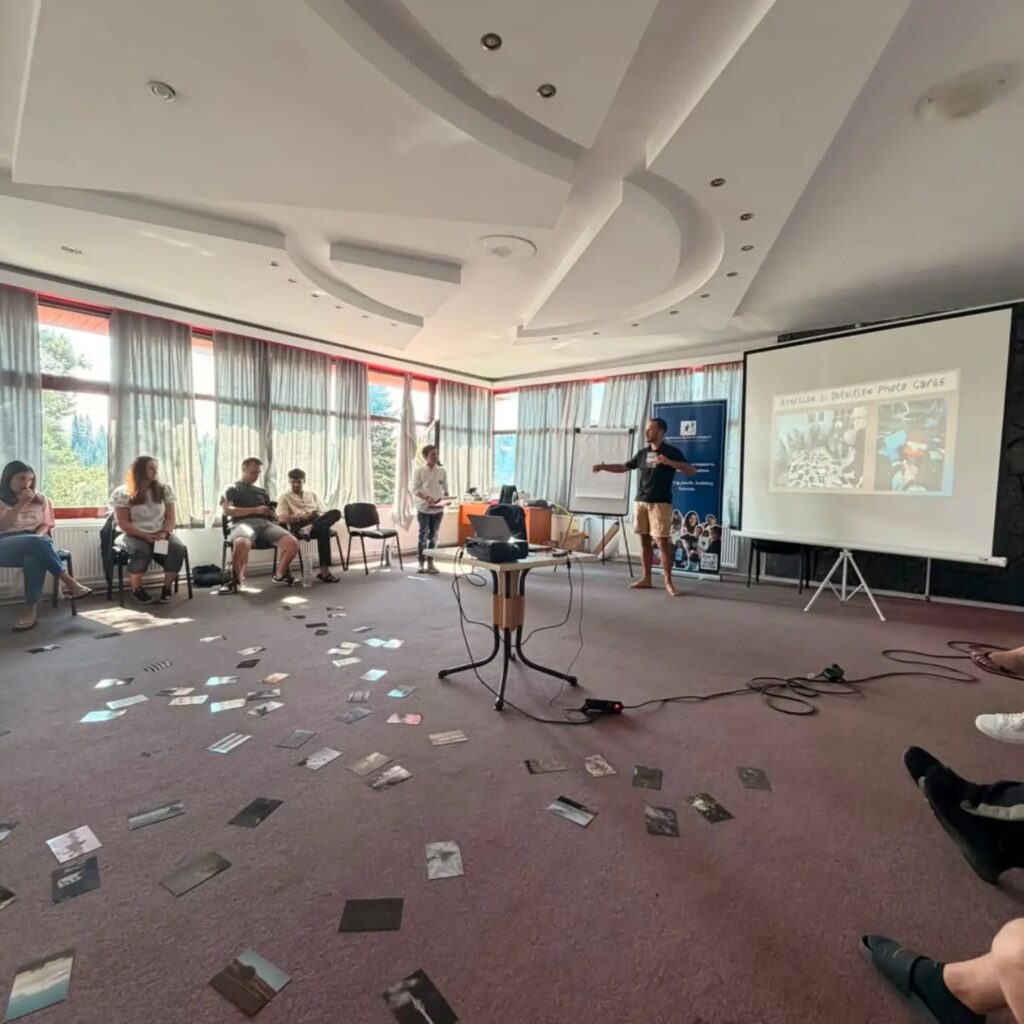
Simple, accessible methods can provide opportunities for people to pause, reflect and reconnect with themselves and their surroundings. Depending on individual needs and the learning context, these may include guided reflection, mindfulness-inspired exercises, creative expression, movement, outdoor activities and collaborative group work.
Such approaches can be particularly useful in non-formal education because they encourage participants to learn through experience rather than relying exclusively on theoretical information.
For example, a reflection activity can help young people identify what gives them energy and motivation, while a creative group exercise can encourage communication and cooperation. Outdoor learning can offer opportunities to reconnect with nature, observe the environment and explore the relationship between personal and environmental well-being.
The value of these methods lies in their adaptability. Youth workers can modify activities according to the age, interests, cultural backgrounds and needs of their participants, creating inclusive learning experiences that encourage active engagement.
For Bee the Future CY, discovering and exchanging these approaches contributes to the ongoing development of educational activities that combine personal growth, social connection and practical learning.
🎭 Non-Formal Education as a Tool for Promoting Well-being
Non-formal education provides an effective framework for exploring well-being because it places participation, experience, cooperation and reflection at the centre of the learning process.
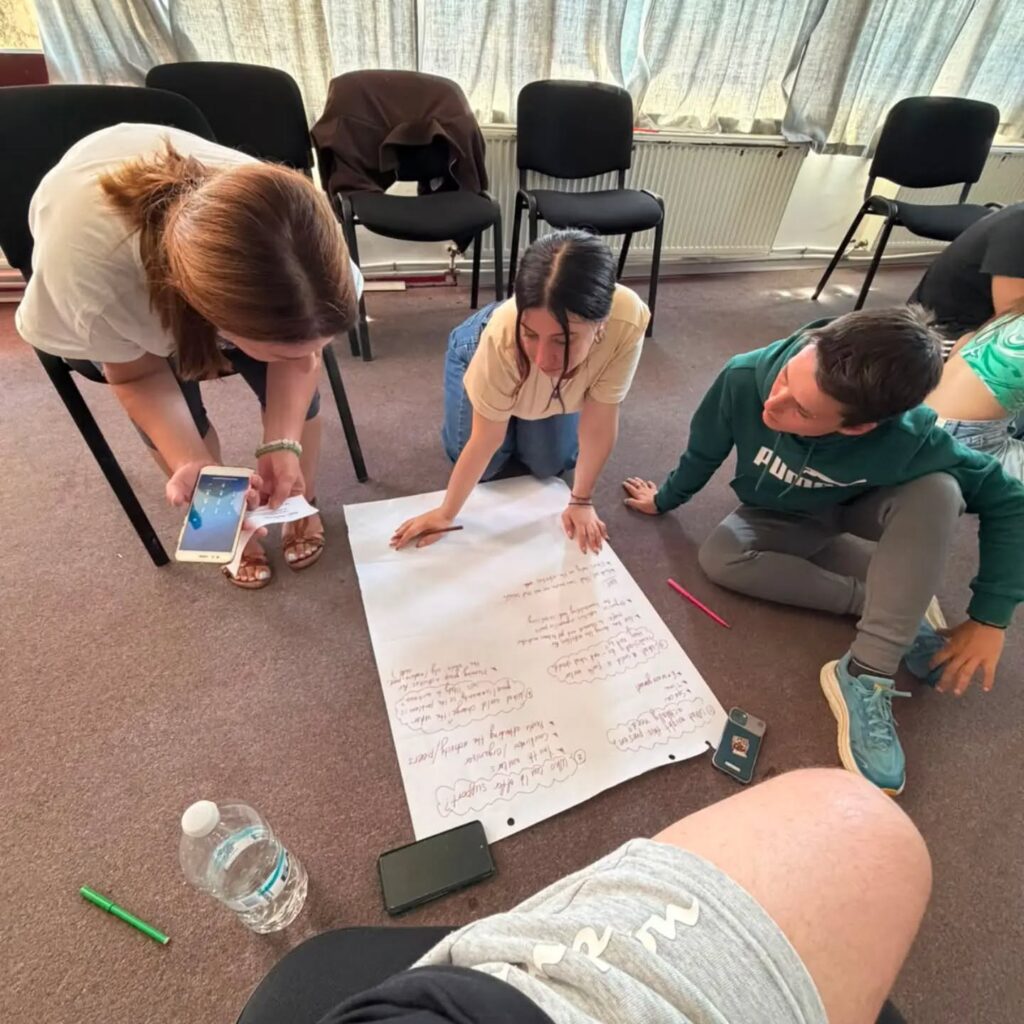
Unlike approaches based exclusively on presentations or formal instruction, non-formal learning allows participants to engage actively, share their perspectives, experiment with new methods and connect the learning experience with their everyday lives.
During an international training course, these methods also create opportunities for intercultural learning. Participants from different backgrounds can exchange ideas, compare experiences and discover how similar challenges may be addressed through different educational approaches.
Creative activities, group discussions, energisers, teamwork exercises and guided reflection can all be used to explore topics related to well-being and resilience.
These methods can help make learning more accessible and engaging, particularly for young people who benefit from interactive approaches and opportunities to express themselves in different ways.
The training course reinforced the importance of designing educational activities that consider the whole person, recognising that learning, social relationships, confidence and well-being are interconnected.
By strengthening their methodological competences, youth workers can create learning environments that support not only the development of knowledge and skills, but also reflection, participation and positive relationships.
🤝 International Cooperation and Intercultural Learning
Erasmus+ provides valuable opportunities for youth workers to develop professionally while building connections with people from different countries and cultural backgrounds.
The training course in Pamporovo allowed our three participants to become part of an international learning environment in which experiences, ideas and perspectives could be shared.
Intercultural cooperation is particularly important in youth work because it encourages participants to question assumptions, understand different perspectives and recognise the value of diversity.
Working and learning alongside people with different experiences can also introduce new approaches to familiar challenges. Methods that are effective in one context may inspire adaptations in another, while discussions with international peers can help participants identify common needs and opportunities for cooperation.
These connections can extend beyond the mobility itself, providing a foundation for continued professional exchange, future partnerships and the development of new educational initiatives.
For Bee the Future CY, international cooperation is an important part of strengthening organisational capacity and connecting local activities in Cyprus with wider European experiences and learning opportunities.
💚 Why Well-being Matters in Youth Work
Youth work involves supporting young people as they explore their interests, develop their competences, build relationships and participate in their communities.
To fulfil this role effectively, youth workers need access to continuous professional development and opportunities to reflect on their own practices.
Well-being should not be treated as an isolated topic that is relevant only during specific workshops. It can be integrated into the wider educational experience by creating supportive environments, encouraging respectful communication, promoting participation and recognising the different needs of individuals.
Youth workers can contribute by designing activities that provide opportunities for reflection, strengthening group connections and encouraging young people to identify the resources that support their personal development.
It is equally important to recognise that educational activities cannot replace specialised professional support when it is needed. A responsible approach to well-being includes understanding the limits of the youth worker’s role and knowing when additional support from qualified professionals may be appropriate.
The “Reset & Recharge” training helped highlight the importance of approaching well-being with care, responsibility and an understanding of individual differences.
By bringing these principles into everyday youth work, organisations can contribute to learning environments in which young people feel respected, included and encouraged to participate.
🇨🇾 From International Learning to Local Action in Cyprus
For Bee the Future CY, the value of Erasmus+ mobility extends beyond the participants who travel abroad.
Our three participants are ready to share their learning with colleagues, contribute to local activities and introduce relevant methods into future educational initiatives in Cyprus.
The knowledge gained during the training course can provide inspiration for local workshops, group activities and non-formal learning sessions focused on well-being, resilience, self-awareness and personal restoration.
Possible follow-up activities include interactive workshops on everyday well-being, outdoor reflection sessions, creative group exercises and activities that encourage young people to identify positive habits and sources of support.
Through these initiatives, the organisation can create opportunities for young people and youth workers to explore practical approaches to well-being in an accessible and participatory environment.
Sharing the experience with colleagues is also an important part of the learning process. By discussing new methods, reflecting on their potential applications and adapting them to local needs, participants can help ensure that the benefits of international mobility reach a wider community.
This transfer of learning is a fundamental principle of Erasmus+. International experiences can become a starting point for further educational activities, professional development and positive change at local level.
Bee the Future CY will continue exploring opportunities to connect international learning with community-based activities, ensuring that relevant knowledge and methods can inspire new initiatives and support the development of healthier, more connected communities.
🌍 Erasmus+: Learning That Continues After the Mobility
The Erasmus+ programme supports learning, cooperation and personal development by connecting people and organisations across Europe.
Training courses offer youth workers an opportunity to step outside their usual working environments, discover new approaches and strengthen the competences they need to support young people.
However, the impact of a mobility depends not only on what participants experience abroad, but also on how they use and share their learning afterwards.
The “Reset & Recharge” experience illustrates this principle. The methods and perspectives explored during the training can inform future activities, encourage reflection within the organisation and create opportunities for other people to benefit from international cooperation.
For Bee the Future CY, this process is closely connected to the organisation’s commitment to non-formal education, youth empowerment, inclusion and international collaboration.
By participating in Erasmus+ activities and sharing the resulting knowledge locally, the organisation contributes to a wider learning community in which educational practices can be exchanged, adapted and developed over time.
✨ Learn. Reset. Recharge. Share the Change!
The Erasmus+ training course “Reset & Recharge: The Science of Restoration” was a valuable learning opportunity for the three representatives of Bee the Future CY who took part in the activity in Pamporovo, Bulgaria.
The experience provided an opportunity to explore well-being and resilience, discover practical approaches to personal restoration, strengthen non-formal education competences and build international connections.
Most importantly, it reinforced the idea that caring for well-being is an important part of personal development and responsible youth work. Creating healthier communities begins with recognising people’s needs, encouraging supportive relationships and providing opportunities for learning, reflection and growth.
We would like to congratulate our three participants on completing this international learning experience and thank the organisers and everyone involved in creating opportunities for intercultural exchange and professional development.
As Bee the Future CY, we look forward to building on this experience by sharing relevant knowledge, exploring new local activities and continuing to promote well-being through inclusive, creative and participatory youth work.
Because learning does not end when a training course finishes. It continues when knowledge is shared, ideas are put into practice and positive experiences inspire others.
💚 Learn. Reset. Recharge. Share the change. Together, we can support stronger individuals, more resilient youth workers and healthier communities!
🇪🇺 Erasmus+ — Connecting people, strengthening competences and turning learning into action.
#ErasmusPlus #BeeTheFutureCY #ResetAndRecharge #Wellbeing #Resilience #YouthWork #NonFormalEducation #PersonalDevelopment #YouthEmpowerment #MentalWellbeing #InternationalCooperation #HealthyCommunities